Cataract EyeSurgery
Restore clearer vision with personalised cataract treatment, including advanced phacoemulsification and SICS with intraocular lens implantation.
Phaco
Modern technique
SICS
Small incision
IOL
Lens implantation
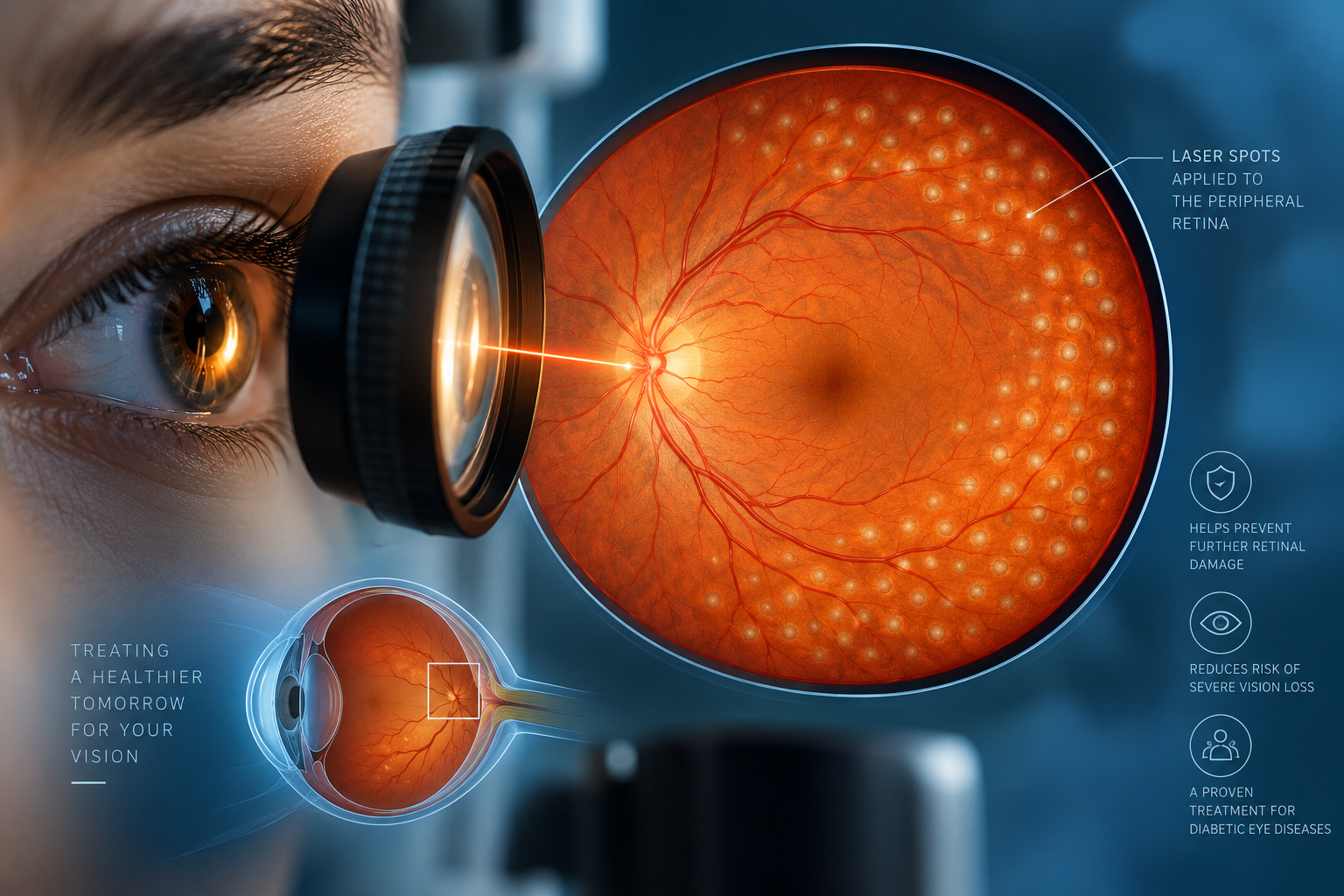
Clearer Vision Starts Here
Personalised cataract evaluation & treatment
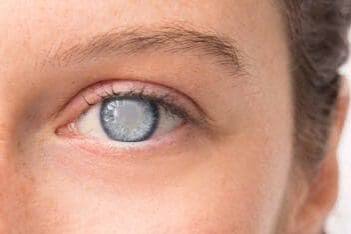
When the Natural LensBecomes Cloudy
A cataract occurs when the natural lens inside the eye becomes cloudy. This can cause blurred or hazy vision, difficulty seeing in low light, glare and other changes in visual quality.
When a cataract begins affecting everyday activities and visual quality, your ophthalmologist may recommend cataract surgery. Surgery removes the cloudy lens and replaces it with a clear artificial intraocular lens.
When Is Cataract Surgery Recommended?
Cataract surgery is considered when the cataract begins to interfere with your vision, comfort, independence or daily activities.
Blurred Vision
Vision remains unclear even with updated glasses.
Glare & Halos
Bright lights become uncomfortable or distracting.
Changing Prescription
Your spectacle power changes repeatedly.
Daily Life Affected
Reading, driving or routine activities become difficult.
Choosing The Right Surgical Approach
The appropriate technique depends on your cataract, eye health, surgical assessment and the surgeon's recommendation.
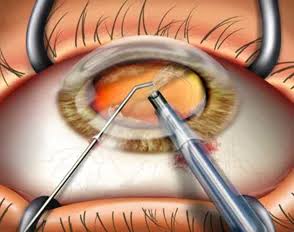
Phacoemulsification
Phacoemulsification is a widely used cataract surgery technique. Ultrasound energy is used to break the cloudy natural lens into smaller fragments, which are then removed through a small incision. An IOL is subsequently placed inside the eye.
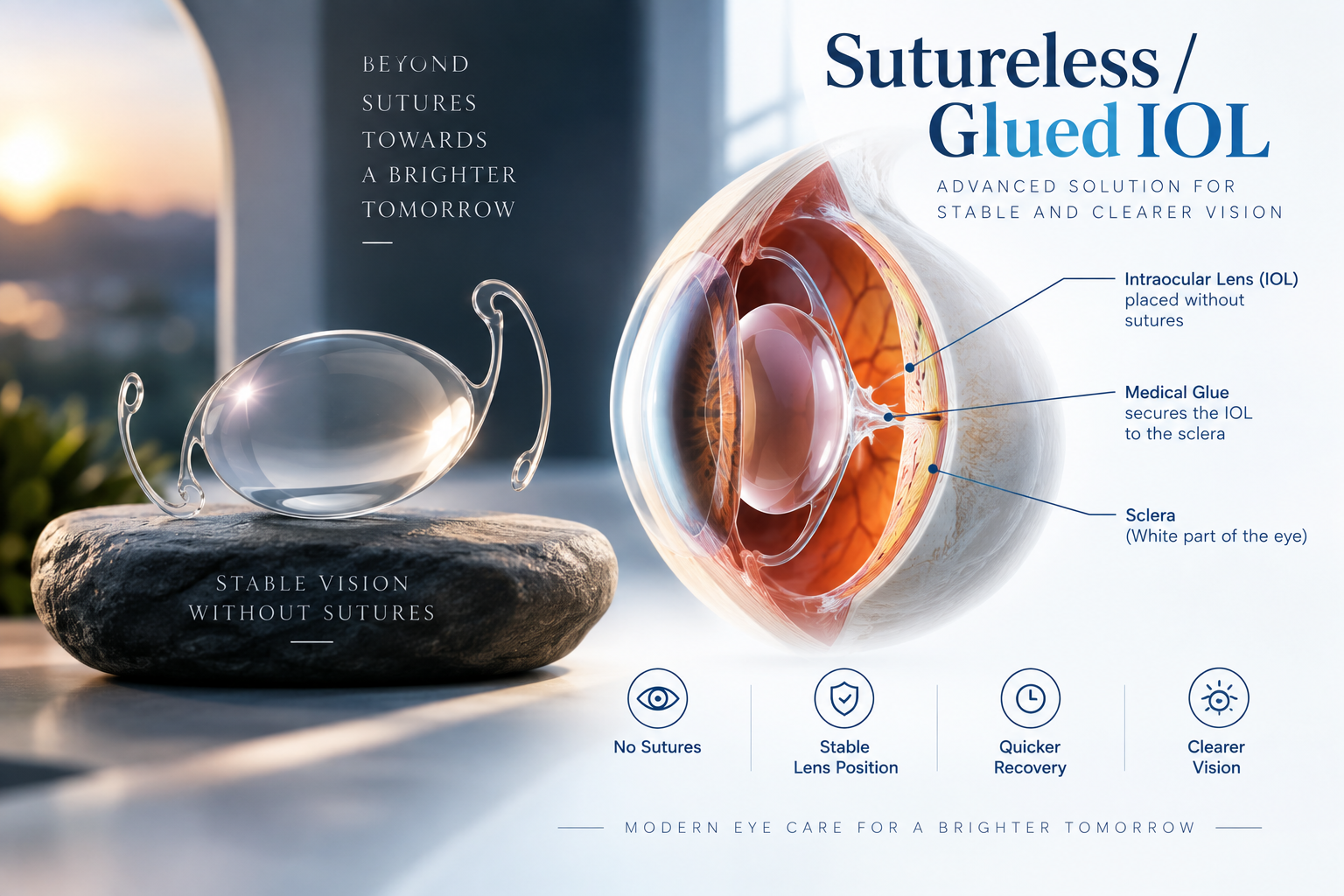
SICS With IOL
Small Incision Cataract Surgery (SICS/MSICS) is a manual small-incision technique used to remove the cataract. Once the cloudy lens has been removed, an intraocular lens is implanted to restore the eye's optical function.
Intraocular LensImplantation
During cataract surgery, the cloudy natural lens is replaced by an artificial intraocular lens. The choice of IOL depends on your eye measurements, visual requirements and discussion with your ophthalmologist.
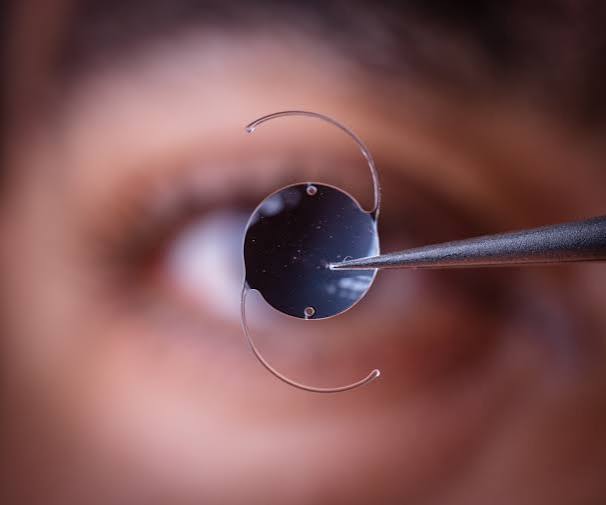
Precision Planning
Measurements + expertise
Your Cataract Surgery Journey
From your first evaluation to post-operative follow-up, every stage is planned around your eye health and visual requirements.
Detailed Eye Examination
A comprehensive examination is performed to assess your cataract, eye health and visual requirements.
Biometry & IOL Planning
Precise eye measurements help the surgeon select an appropriate intraocular lens for your visual needs.
Anaesthesia & Preparation
The eye is prepared carefully and appropriate local or topical anaesthesia is used to keep you comfortable.
Cataract Removal
The cloudy natural lens is carefully removed using the selected surgical technique.
IOL Implantation
A clear artificial intraocular lens is positioned inside the eye to replace the natural lens.
Post-Operative Care
Your eye is checked and you receive detailed instructions for drops, protection and follow-up.
What To ExpectAfter Surgery
Recovery is different for every patient. Your surgeon will provide individual instructions based on your procedure and eye health.
Recovery varies
Vision may be blurry initially and improve progressively. Follow-up and prescribed eye drops are important parts of recovery.
Initial Protection
Your eye may be protected with a shield or dressing, and you will receive post-operative instructions.
Early Healing
Blurred vision, mild discomfort, watering or light sensitivity can occur while the eye begins to recover.
Vision Stabilisation
Vision generally continues to improve as healing progresses. Use prescribed eye drops exactly as directed.
Monitoring
Follow-up examinations allow your surgeon to monitor healing and visual recovery.
Take Care Of Your EyesWhile They Heal
Use Eye Drops
Use prescribed drops exactly according to your surgeon's instructions.
Protect Your Eye
Avoid rubbing or pressing the operated eye and use protection when advised.
Protect From Glare
Sunglasses may be helpful if your eyes feel sensitive to bright light.
Attend Follow-Ups
Keep your scheduled post-operative appointments for healing assessment.
Follow your surgeon's instructions
Avoid rubbing the eye and follow your individual advice about driving, exercise, swimming, heavy lifting and other activities.
Life After Cataract Surgery
Successful cataract surgery can help restore clearer vision and make many everyday visual activities easier.
Clearer Vision
Removal of the cloudy lens can significantly improve vision affected by cataract.
Better Daily Activities
Improved vision can make reading, walking, watching television and other everyday activities easier.
Reduced Visual Haze
Cataract surgery addresses the cloudy natural lens responsible for many cataract-related visual symptoms.
Individualised IOL Selection
The intraocular lens can be selected according to your eye measurements and visual goals.
Day-Care Procedure
Cataract surgery is commonly performed without an overnight hospital stay.
Return to Routine
Many patients resume normal activities progressively as their eye heals.
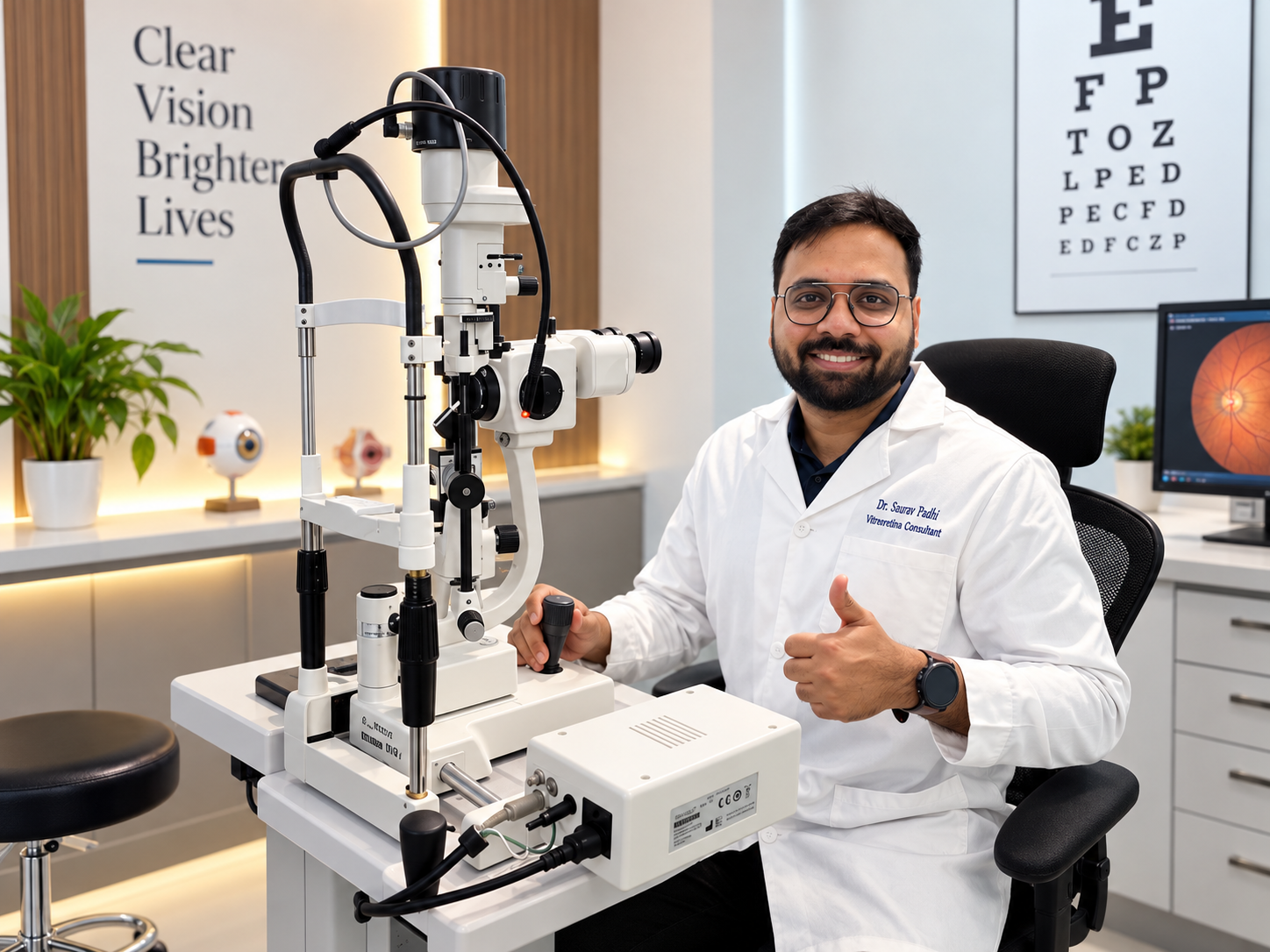
Patient-Centred Eye Care
Expertise • Technology • Compassion
Cataract Care BuiltAround You
Cataract treatment is more than removing a cloudy lens. It involves accurate diagnosis, careful surgical planning, appropriate lens selection and attentive follow-up.
Individualised Evaluation
Every eye is assessed according to its specific needs.
Modern Surgical Techniques
Phacoemulsification and SICS are considered according to clinical suitability.
Safety-Focused Care
Careful preparation, sterile technique and follow-up are prioritised.
Complete Follow-Up
Guidance continues beyond the operating room through recovery.
Who May NeedCataract Surgery?
The decision for surgery is based on how the cataract affects your vision and daily life, together with your eye examination and overall clinical assessment.

Personal Consultation
Discuss your visual goals
Risks & Possible Complications
Cataract surgery is generally successful, but as with any operation, complications can occur. Your surgeon will explain the risks relevant to your individual eye before treatment.
When Should You Seek Urgent Advice?
If you experience sudden or worsening visual symptoms after surgery, contact your eye-care team or seek urgent medical attention.
Cataract Surgery Questions
Answers to common questions patients ask before and after cataract surgery.
Cataract surgery is a procedure in which the cloudy natural lens of the eye is removed and replaced with a clear artificial intraocular lens (IOL). The aim is to improve vision affected by cataract.
Phacoemulsification is a modern cataract surgery technique in which ultrasound energy is used to break the cloudy lens into smaller pieces so it can be removed through a small incision. An intraocular lens is then placed inside the eye.
Small Incision Cataract Surgery (SICS/MSICS) is a manual small-incision technique for removing the cataract. After the cloudy lens is removed, an intraocular lens is implanted to replace the natural lens.
Cataract surgery is generally performed using local or topical anaesthesia to numb the eye. Patients typically do not feel pain during the procedure, although they may notice pressure, movement or bright lights.
The actual operation is usually relatively short, although the total time at the clinic also includes preparation and post-operative observation. The exact duration depends on the individual eye and surgical technique.
Cataract surgery is commonly performed as a day-care procedure, allowing many patients to return home on the same day after the surgical team confirms that they are ready for discharge.
Vision can be blurry initially and generally improves over the following days. The speed of recovery varies from person to person and depends on the health of the eye and the type of surgery performed.
Your need for glasses depends on the type and power of the IOL selected and your individual visual goals. Some patients may still require glasses for specific activities such as reading or distance vision.
A cataract itself does not grow back because the cloudy natural lens has been removed. However, the capsule behind the IOL can sometimes become cloudy, a condition called posterior capsule opacification (PCO), which can usually be treated with a laser procedure.
Recovery varies. You should follow your surgeon's specific instructions regarding driving, exercise, heavy lifting, swimming, eye protection and other activities.
Ready To SeeMore Clearly?
Schedule a comprehensive cataract evaluation and discuss the most suitable treatment and intraocular lens options for your eyes.
This page is for general educational information and does not replace an examination or personalised medical advice from a qualified ophthalmologist. The appropriate surgical technique, IOL and recovery plan should be determined after individual assessment.