Neuro-OphthalmologyManagement
Comprehensive diagnosis and management of visual problems related to neurological conditions, including optic neuritis, papilloedema, double vision, and visual field defects.
Optic Nerve
Assessment & care
Visual Fields
Localisation
Neuroimaging
MRI & CT
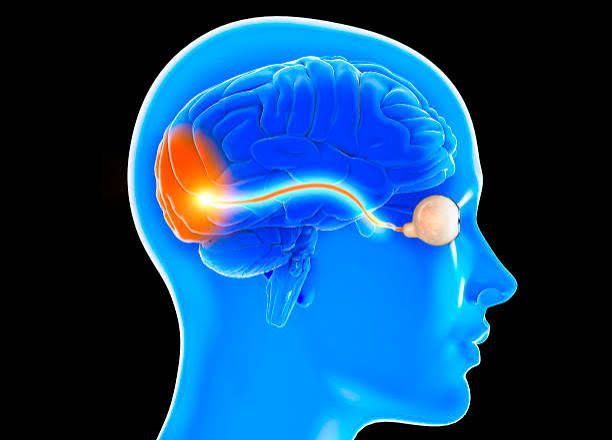
Expert Neuro-Ophthalmic Care
Diagnosis, management & monitoring
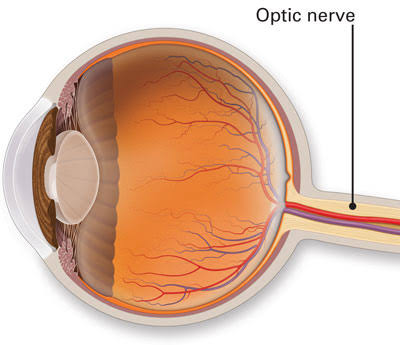
When Vision ProblemsOriginate in the Brain
Neuro-ophthalmology focuses on visual problems caused by diseases of the nervous system. This includes conditions affecting the optic nerve, the visual pathways in the brain, and the nerves that control eye movements.
Many neuro-ophthalmic conditions are complex and require a multidisciplinary approach, often involving close collaboration with neurologists, neurosurgeons, and other specialists.
Common Neuro-Ophthalmic Conditions
We diagnose and manage a wide range of neuro-ophthalmic conditions affecting vision and eye movements.
Optic Neuritis
Inflammation of the optic nerve causing sudden vision loss, pain with eye movement, and colour vision changes.
Papilloedema
Swelling of the optic disc due to raised intracranial pressure, often associated with headaches and visual obscurations.
Diplopia (Double Vision)
Double vision caused by misalignment of the eyes due to nerve palsies, muscle disorders, or neurological conditions.
Visual Field Defects
Areas of reduced or absent vision that help localise lesions in the optic nerve or visual pathways.
Nystagmus
Involuntary, rhythmic eye movements that can be congenital or acquired, often indicating neurological dysfunction.
Pupillary Abnormalities
Abnormal pupil responses such as Horner's syndrome or Adie's pupil, indicating underlying neurological issues.
Comprehensive Evaluation
Accurate diagnosis is the foundation of effective management. We use a range of advanced diagnostic techniques to assess the visual system and nervous system.
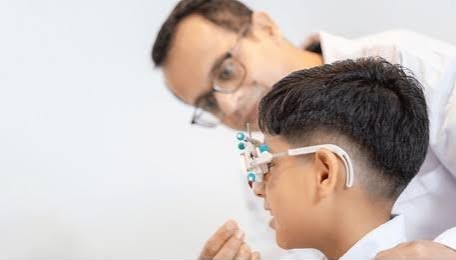
Visual Function Tests
Visual function tests assess how well the visual system is working. These include visual field testing, colour vision testing, contrast sensitivity, and pupillary assessment.
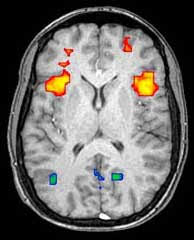
Neuroimaging
Neuroimaging helps identify structural causes of neuro-ophthalmic conditions. MRI and CT scans are commonly used to assess the brain, optic nerves, and visual pathways.
UnderstandingNeuro-Ophthalmic Disorders
Neuro-ophthalmic conditions can affect vision, eye movements, and pupillary function. They often require careful evaluation and a multidisciplinary approach to diagnosis and management.
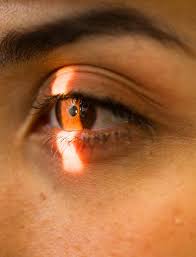
Multidisciplinary Care
Neurology + Ophthalmology
Your Neuro-Ophthalmic Journey
From your first evaluation to follow-up, every stage is planned around your visual and neurological health.
Detailed History & Examination
A comprehensive history and neuro-ophthalmic examination are performed to assess visual function and neurological status.
Visual Field Testing
Formal visual field testing helps identify and localise defects in the visual pathways.
Pupillary Assessment
Careful assessment of pupillary responses helps detect abnormalities such as relative afferent pupillary defect.
Neuroimaging
MRI or CT imaging may be performed to identify structural causes of neuro-ophthalmic conditions.
Additional Investigations
OCT, VEP, and blood tests may be used to support diagnosis and monitor progression.
Management & Follow-Up
Treatment is tailored to the specific condition, with regular follow-up to monitor response and adjust therapy.
What To ExpectDuring Your Care
Management of neuro-ophthalmic conditions is individualised. Your specialist will provide guidance based on your specific diagnosis and needs.
Ongoing monitoring
Regular follow-up and monitoring are important to assess treatment response and detect any changes in your condition.
Comprehensive Assessment
A detailed evaluation is performed to establish the diagnosis and plan further investigations.
Investigations
Neuroimaging, visual field testing, and other investigations are arranged as needed.
Therapy
Treatment is started based on the diagnosis, which may include medications or other interventions.
Monitoring
Regular follow-up visits allow monitoring of visual function and treatment response.
Take Care Of YourVisual & Neurological Health
Medications
Use prescribed medications exactly according to your specialist's instructions.
Protect Your Eyes
Avoid activities that could increase risk of injury and follow safety advice.
Manage Light Sensitivity
Sunglasses may be helpful if your eyes feel sensitive to bright light.
Attend Follow-Ups
Keep your scheduled appointments for monitoring and assessment.
Follow your specialist's instructions
Neuro-ophthalmic conditions can be complex. Follow your individual advice about medications, activity, driving, and follow-up appointments.
Why Choose Neuro-Ophthalmic Care
Specialised evaluation and management can help identify the cause of your visual symptoms and guide appropriate treatment.
Accurate Diagnosis
Detailed neuro-ophthalmic evaluation helps identify the underlying cause of visual symptoms.
Localisation of Lesions
Visual field testing and imaging help localise lesions along the visual pathway.
Multidisciplinary Approach
Close collaboration with neurologists, neurosurgeons, and other specialists ensures comprehensive care.
Individualised Treatment
Treatment is tailored to the specific condition and the patient's needs.
Monitoring & Follow-Up
Regular follow-up helps monitor disease progression and treatment response.
Improved Visual Outcomes
Early diagnosis and appropriate management can help preserve and improve vision.
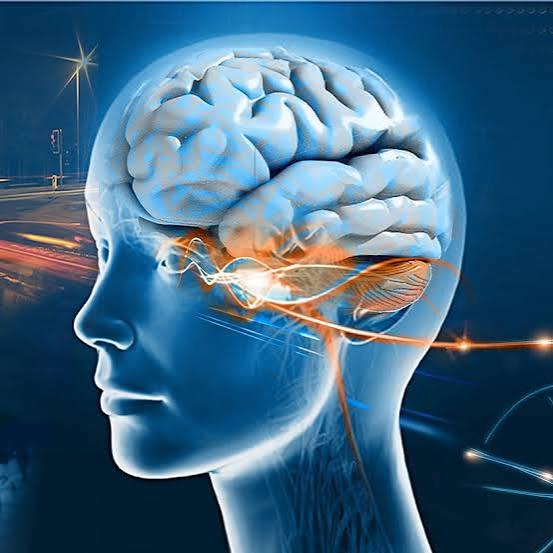
Patient-Centred Neuro-Ophthalmic Care
Expertise • Technology • Compassion
Neuro-Ophthalmic CareBuilt Around You
Neuro-ophthalmic conditions require careful evaluation and coordinated care. Our approach involves accurate diagnosis, appropriate investigations, and ongoing monitoring.
Individualised Evaluation
Every patient is assessed according to their specific needs.
Advanced Diagnostics
Visual field testing, OCT, and neuroimaging are used as needed.
Safety-Focused Care
Careful assessment, appropriate investigations and follow-up are prioritised.
Complete Follow-Up
Guidance continues through monitoring and treatment adjustment.
Who May NeedNeuro-Ophthalmic Evaluation?
A neuro-ophthalmic evaluation may be recommended when visual symptoms are thought to be related to neurological conditions or when the cause of visual loss is unclear.

Personal Consultation
Discuss your visual concerns
Risks & Possible Complications
Neuro-ophthalmic conditions can be complex, and some may be associated with underlying neurological or systemic diseases. Your specialist will explain the implications and discuss appropriate investigations and management.
When Should You Seek Urgent Advice?
If you experience sudden or worsening visual or neurological symptoms, contact your eye-care team or seek urgent medical attention.
Neuro-Ophthalmology Questions
Answers to common questions patients ask about neuro-ophthalmic conditions.
Neuro-ophthalmology is a subspecialty that deals with the intersection of neurology and ophthalmology. It focuses on visual problems caused by diseases of the nervous system, including the optic nerve, brain, and the pathways that connect them. Common conditions include optic neuritis, papilloedema, double vision, and visual field defects.
Optic neuritis is inflammation of the optic nerve. It can cause sudden vision loss, eye pain (especially with eye movement), and colour vision changes. It is often associated with multiple sclerosis and other autoimmune conditions. Treatment typically involves corticosteroids.
Papilloedema is swelling of the optic disc caused by raised intracranial pressure. It is usually bilateral and can be associated with headaches, transient visual obscurations, and enlarged blind spots. It requires urgent investigation to identify the underlying cause.
Double vision (diplopia) can be caused by problems with the eye muscles, nerves that control eye movement, or the brain's control of eye alignment. Common causes include cranial nerve palsies, thyroid eye disease, myasthenia gravis, and neurological conditions. A thorough neuro-ophthalmic evaluation is essential.
A visual field defect is an area of reduced or absent vision in the peripheral field. It can be caused by conditions affecting the optic nerve, optic chiasm, or visual pathways in the brain. Visual field testing helps localise the site of the problem.
Diagnosis involves a comprehensive eye examination, visual field testing, colour vision testing, pupillary assessment, and often neuroimaging (MRI or CT). Additional tests may include optical coherence tomography (OCT), visual evoked potentials (VEP), and blood tests.
Treatment depends on the specific condition. Some conditions respond to medications such as corticosteroids or immunosuppressants. Others may require treatment of the underlying neurological or systemic condition. Regular monitoring and follow-up are important.
You should see a neuro-ophthalmologist if you experience unexplained vision loss, double vision, visual field defects, optic disc swelling, or visual symptoms associated with neurological conditions such as headaches, weakness, or numbness.
Expert Neuro-OphthalmicCare For Your Vision
Schedule a comprehensive neuro-ophthalmic evaluation and discuss the most suitable diagnostic and management options for your condition.
This page is for general educational information and does not replace an examination or personalised medical advice from a qualified ophthalmologist or neurologist. The appropriate diagnostic approach and management plan should be determined after individual assessment.