Medical RetinaManagement
Advanced medical therapies for retinal conditions, including anti-VEGF injections and steroid implants, to help manage retinal disease and protect vision.
Anti-VEGF
Targeted therapy
Steroids
Sustained release
OCT
Guided treatment
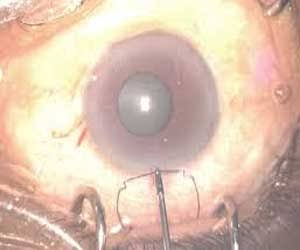
Advanced Medical Therapy
Anti-VEGF & steroid treatments
Medical Retina Therapies
Advanced medical treatments designed to manage retinal conditions and support long-term retinal health.
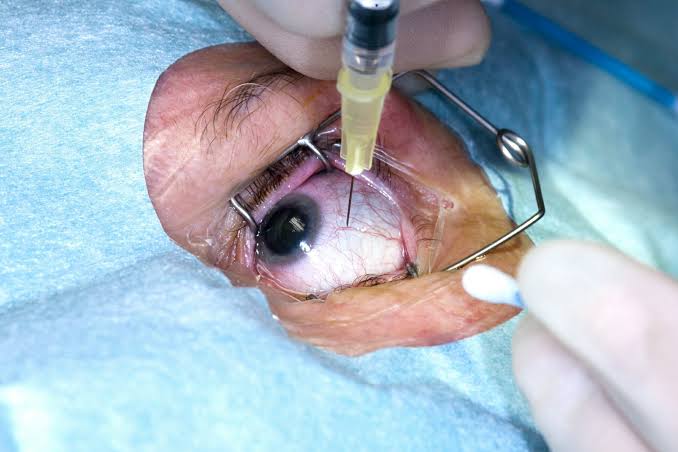
Anti-VEGF Injections
Anti-VEGF injections are commonly used to manage retinal conditions associated with abnormal blood vessel growth and fluid leakage. They can help reduce retinal swelling, control leakage, and stabilise or improve vision in suitable patients.
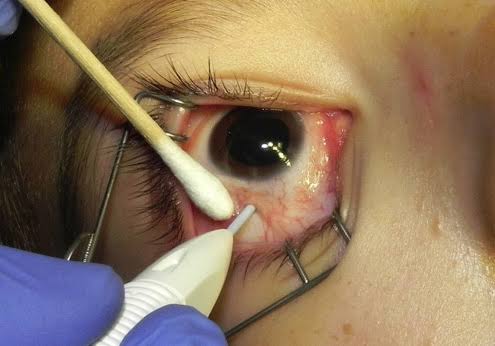
Steroid Implants
Steroid implants deliver corticosteroid medication inside the eye over an extended period. They may be used for chronic macular oedema and inflammatory retinal conditions when longer-lasting treatment is appropriate.
What These Treatments Address
Medical retina therapies may be used to manage a range of retinal and macular conditions.
Wet ARMD
Abnormal blood vessel growth beneath the macula can cause leakage and affect central vision.
Diabetic Macular Oedema
Fluid accumulation in the macula associated with diabetic retinal disease.
Retinal Vein Occlusion
A blockage in a retinal vein can cause bleeding, leakage and macular swelling.
Uveitic Macular Oedema
Macular swelling associated with inflammation inside the eye.
Myopic CNV
Abnormal blood vessel growth that can occur in eyes with high myopia.
Post-Surgical Oedema
Macular swelling that may develop following certain eye surgeries.
What to Expect
From initial retinal assessment to ongoing monitoring, each step is planned around your individual needs.
Initial Assessment
A comprehensive retinal examination with appropriate imaging is performed to understand the condition.
Personalised Plan
The treatment approach is planned according to the retinal condition, severity and individual requirements.
Treatment
The selected injection or implant treatment is administered using appropriate sterile precautions.
Ongoing Monitoring
Regular follow-up and retinal imaging help assess the response and guide further treatment.
When Should You Seek Urgent Advice?
Contact your eye-care team promptly if you experience significant or sudden changes after treatment.
Medical Retina Questions
Answers to common questions about medical retina treatments.
Anti-VEGF injections are medicines delivered into the eye to block vascular endothelial growth factor (VEGF), a protein involved in abnormal blood vessel growth and leakage. They are commonly used for conditions such as wet age-related macular degeneration, diabetic macular oedema and retinal vein occlusion.
The treatment schedule depends on the underlying condition, medication and response to treatment. Some patients may initially require more frequent injections, with the interval adjusted according to retinal findings and clinical response.
The eye is numbed with anaesthetic drops before the injection. Most patients experience little discomfort, although a brief sensation of pressure or mild irritation may occur.
Steroid implants are sustained-release treatments that deliver corticosteroid medication inside the eye over an extended period. They may be considered for selected cases of macular oedema or inflammation.
The duration depends on the specific medication or implant used. Some are designed to release medicine for several months, while others can provide treatment for a considerably longer period.
As with any intraocular treatment, potential risks can include infection, bleeding, increased eye pressure and other complications. Your ophthalmologist will discuss the relevant risks and follow-up requirements before treatment.
Treatment is often aimed at controlling the underlying retinal disease and preventing further vision loss. Some patients may also experience improvement in vision, depending on the condition, severity and response to treatment.
Follow the instructions provided by your ophthalmologist. Tell your doctor about your medications and any relevant medical or eye conditions. Temporary blurring after treatment can occur, so arrange transportation if advised.
Protect YourRetinal Health
Schedule a comprehensive retinal evaluation and discuss appropriate medical treatment options for your eyes.
This page is for general educational information and does not replace an examination or personalised medical advice from a qualified ophthalmologist. The appropriate treatment approach should be determined after individual assessment.