Complex CataractSurgery
Specialised cataract surgery for eyes with additional challenges, including weak zonules, small pupils, previous surgery, trauma, and coexisting eye conditions.
Expert
Specialised care
Advanced
Techniques
Individual
Patient approach

Expert Complex Cataract Care
Specialised techniques & individualised treatment
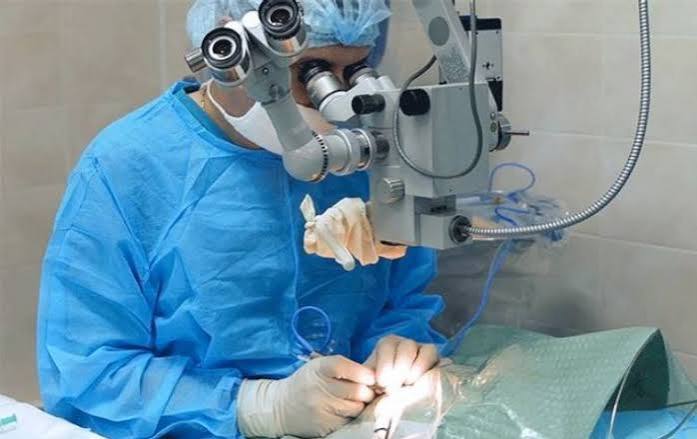
When Cataract SurgeryRequires Extra Expertise
Complex cataract surgery refers to cataract removal in eyes with additional challenges that make the procedure more difficult than routine cataract surgery. These may include weak zonules, small pupils, previous eye surgery, trauma, uveitis, or coexisting eye conditions.
These cases require specialised techniques, careful planning, and an experienced surgeon to minimise risks and optimise outcomes.
What Makes Cataract Surgery Complex?
Several factors can make cataract surgery more challenging. These are assessed carefully before surgery to plan the most appropriate approach.
Weak Zonules
Zonular weakness or damage that makes the lens unstable during surgery.
Small Pupil
A pupil that does not dilate adequately, limiting surgical access.
Previous Eye Surgery
Prior vitrectomy, glaucoma surgery, or other procedures that alter the eye's anatomy.
Trauma
Previous eye injury that may have damaged the lens or surrounding structures.
Uveitis
Inflammation in the eye that can complicate cataract surgery and recovery.
Pseudoexfoliation
A condition where abnormal protein deposits weaken the zonules.
High Myopia
Severe near-sightedness that can affect the eye's structure and stability.
Coexisting Conditions
Glaucoma, retinal disease, or corneal conditions that require special consideration.
Advanced Surgical Approaches
Complex cataract surgery may require additional techniques to address the specific challenges of your eye.

Capsular Tension Rings
Capsular tension rings are inserted into the capsular bag to provide support when the zonules are weak. They help stabilise the lens during surgery and reduce the risk of complications.
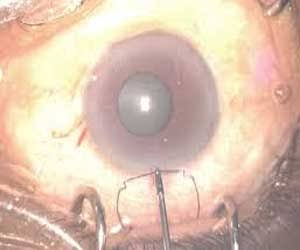
Iris Hooks & Pupil Expansion
When the pupil is small, iris hooks or pupil expansion rings can be used to improve access to the cataract. This allows the surgeon to visualise and remove the lens safely.
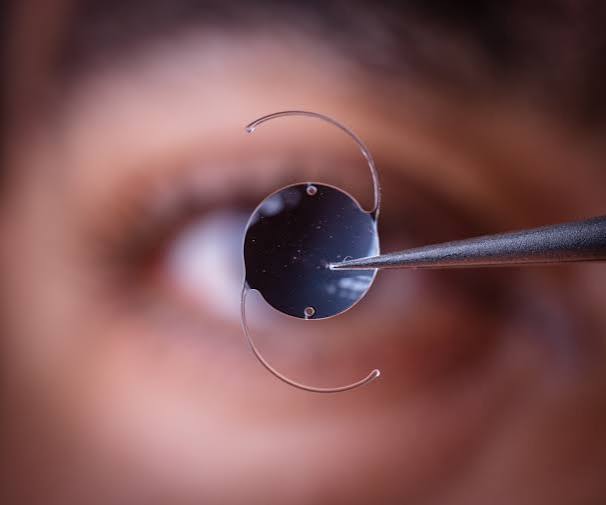
Choosing the RightIntraocular Lens
In complex cataract surgery, the choice of intraocular lens depends on the condition of your eye. Your surgeon will discuss the most appropriate options based on your individual assessment.
Precision Planning
Measurements + expertise
Your Complex Cataract Surgery Journey
From your first evaluation to post-operative follow-up, every stage is planned around your eye health and visual requirements.
Detailed Pre-Operative Assessment
A comprehensive examination is performed to assess the cataract, zonular support, pupil size, and any coexisting eye conditions.
Surgical Planning
Your surgeon develops a personalised plan, selecting appropriate techniques and intraocular lens options for your eye.
Anaesthesia & Preparation
The eye is prepared carefully and appropriate local or topical anaesthesia is used to keep you comfortable.
Cataract Removal with Special Techniques
The cloudy lens is removed using modified techniques to address the specific challenges of your eye.
IOL Implantation & Stabilisation
An appropriate intraocular lens is positioned and secured using techniques such as capsular tension rings or scleral fixation if needed.
Post-Operative Care
Your eye is checked and you receive detailed instructions for drops, protection and follow-up.
What To ExpectAfter Surgery
Recovery is different for every patient. Your surgeon will provide individual instructions based on your procedure and eye health.
Recovery varies
Vision may be blurry initially and improve progressively. Follow-up and prescribed eye drops are important parts of recovery.
Initial Protection
Your eye may be protected with a shield or dressing, and you will receive post-operative instructions.
Early Healing
Blurred vision, mild discomfort, watering or light sensitivity can occur while the eye begins to recover.
Vision Stabilisation
Vision generally continues to improve as healing progresses. Use prescribed eye drops exactly as directed.
Monitoring
Follow-up examinations allow your surgeon to monitor healing and visual recovery.
Take Care Of Your EyesWhile They Heal
Use Eye Drops
Use prescribed drops exactly according to your surgeon's instructions.
Protect Your Eye
Avoid rubbing or pressing the operated eye and use protection when advised.
Protect From Glare
Sunglasses may be helpful if your eyes feel sensitive to bright light.
Attend Follow-Ups
Keep your scheduled post-operative appointments for healing assessment.
Follow your surgeon's instructions
Avoid rubbing the eye and follow your individual advice about driving, exercise, swimming, heavy lifting and other activities.
Life After Complex Cataract Surgery
Successful complex cataract surgery can help restore clearer vision and make many everyday visual activities easier.
Expert Surgical Care
Complex cataract surgery is performed by experienced surgeons with specialised training.
Individualised Approach
Every eye is assessed according to its specific challenges and needs.
Advanced Techniques
Specialised techniques such as capsular tension rings and iris hooks are used when needed.
Appropriate IOL Selection
The intraocular lens is selected based on your eye measurements and visual goals.
Careful Planning
Each case is planned carefully to minimise risks and optimise outcomes.
Comprehensive Follow-Up
Guidance continues beyond the operating room through recovery and monitoring.
Patient-Centred Eye Care
Expertise • Technology • Compassion
Complex Cataract CareBuilt Around You
Complex cataract surgery requires specialised expertise. Our approach involves accurate diagnosis, careful surgical planning, appropriate lens selection and attentive follow-up.
Individualised Evaluation
Every eye is assessed according to its specific needs.
Advanced Surgical Techniques
Capsular tension rings, iris hooks, and other specialised techniques are used when needed.
Safety-Focused Care
Careful preparation, sterile technique and follow-up are prioritised.
Complete Follow-Up
Guidance continues beyond the operating room through recovery.
Who May NeedComplex Cataract Surgery?
The decision for complex cataract surgery is based on the specific challenges of your eye, together with your visual needs and overall clinical assessment.

Personal Consultation
Discuss your visual goals
Risks & Possible Complications
Complex cataract surgery is generally successful, but as with any operation, complications can occur. Your surgeon will explain the risks relevant to your individual eye before treatment.
When Should You Seek Urgent Advice?
If you experience sudden or worsening visual symptoms after surgery, contact your eye-care team or seek urgent medical attention.
Complex Cataract Surgery Questions
Answers to common questions patients ask before and after complex cataract surgery.
Complex cataract surgery refers to cataract removal in eyes with additional challenges that make the procedure more difficult than routine cataract surgery. These may include weak zonules, previous eye surgery, trauma, uveitis, or coexisting eye conditions. It requires specialised techniques and expertise.
Factors that make cataract surgery complex include weak or damaged zonules, small pupils, previous vitrectomy or other eye surgery, trauma, uveitis, pseudoexfoliation, high myopia, corneal disease, and coexisting glaucoma or retinal conditions.
Zonules are tiny fibres that hold the natural lens in place. If they are weak or damaged, the lens may become unstable during surgery. This requires special techniques such as capsular tension rings, iris hooks, or scleral fixation of the intraocular lens.
A small pupil can make it difficult to visualise and remove the cataract. It can be managed with pupil-expanding medications, iris hooks, or pupil dilation rings to improve access during surgery.
Yes, with appropriate planning and expertise, complex cataract surgery can be performed safely. Your surgeon will assess your eye carefully and choose the most appropriate techniques to minimise risks and optimise outcomes.
Recovery varies depending on the complexity of the case and the techniques used. Your surgeon will provide individualised instructions regarding eye drops, activity restrictions, positioning, and follow-up appointments.
In some complex cases, a standard in-the-bag IOL may not be suitable. Your surgeon may recommend alternatives such as a sulcus-fixated IOL, an anterior chamber IOL, or a scleral-fixated IOL, depending on your eye's condition.
As with any surgery, there are risks including infection, bleeding, inflammation, retinal detachment, and IOL-related complications. Complex cases may have a higher risk of certain complications, and your surgeon will discuss these with you in detail.
Complex cataract surgery generally takes longer than routine cataract surgery. The exact duration depends on the specific challenges of your eye and the techniques required.
Recovery varies. You should follow your surgeon's specific instructions regarding driving, exercise, heavy lifting, swimming, eye protection and other activities. Some complex cases may require a longer recovery period.
Expert Complex CataractSurgery For Your Eyes
Schedule a comprehensive complex cataract evaluation and discuss the most suitable treatment and intraocular lens options for your eyes.
This page is for general educational information and does not replace an examination or personalised medical advice from a qualified ophthalmologist. The appropriate surgical technique, IOL and recovery plan should be determined after individual assessment.