UveitisManagement
Comprehensive diagnosis and treatment for different types of uveitis, with focused care aimed at controlling inflammation, preserving vision and preventing complications.
Anterior
Iris & ciliary body
Intermediate
Vitreous
Posterior
Retina & choroid
Panuveitis
All uveal layers
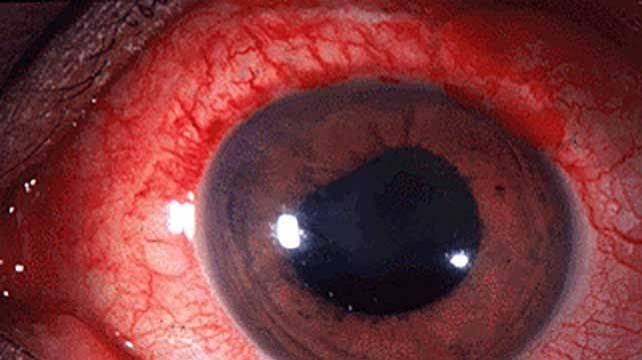
Expert Uveitis Care
Diagnosis, treatment & monitoring
Different Types of Uveitis
Uveitis is classified according to the part of the eye affected. Each type can have different symptoms, causes and treatment requirements.
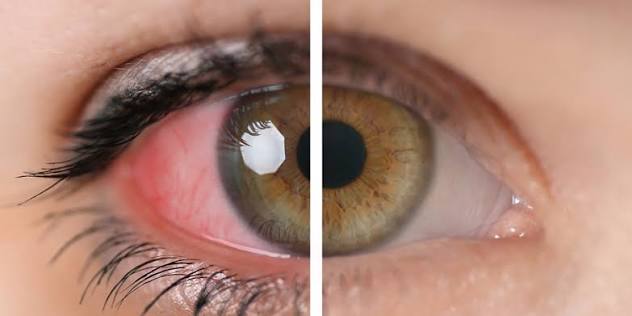
Anterior Uveitis
Anterior uveitis affects the front part of the uvea and is the most common form of uveitis. It may cause eye pain, redness, light sensitivity and blurred vision.
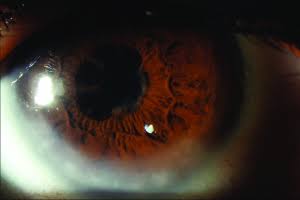
Intermediate Uveitis
Intermediate uveitis primarily affects the vitreous and pars plana. It is often chronic and may cause floaters, blurred vision and macular oedema.
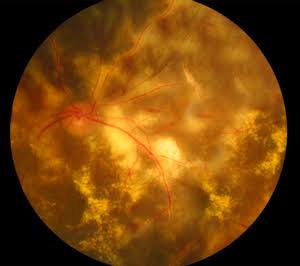
Posterior Uveitis
Posterior uveitis affects the back of the eye, including the choroid and retina. It may be infectious or non-infectious and can cause significant visual changes.
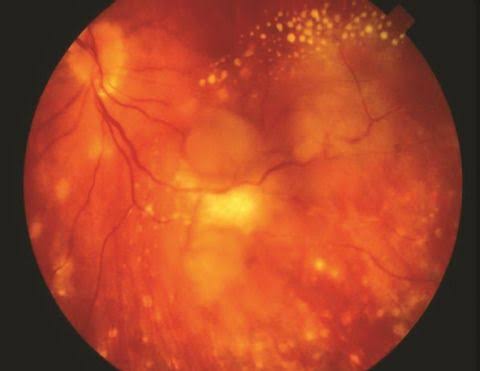
Panuveitis
Panuveitis involves inflammation of the iris, ciliary body and choroid along with adjacent structures. It can be severe and requires timely evaluation and treatment.
Uveitis & Systemic Health
Uveitis can sometimes be associated with systemic conditions. Identifying these associations can help guide appropriate evaluation and management.
Rheumatologic
Ankylosing spondylitis, reactive arthritis, psoriatic arthritis and juvenile idiopathic arthritis.
Respiratory
Sarcoidosis, tuberculosis and other granulomatous diseases may be associated with uveitis.
Neurologic
Multiple sclerosis, Vogt-Koyanagi-Harada disease and other neurologic conditions.
Vascular / Systemic
Behçet's disease, systemic lupus erythematosus and other systemic vasculitides.
Infectious
Toxoplasmosis, cytomegalovirus, herpes simplex, syphilis and other infections.
Ocular Syndromes
Sympathetic ophthalmia, lens-induced uveitis and masquerade syndromes.
Managing Uveitis
Treatment is tailored to the type, severity and underlying cause of uveitis, with the goal of controlling inflammation and reducing the risk of complications.
Topical Therapy
Corticosteroid and cycloplegic eye drops may be used for appropriate cases of anterior uveitis.
Systemic Therapy
Oral corticosteroids and immunosuppressive medications may be used for selected severe or chronic cases.
Injectable Therapy
Periocular or intravitreal steroid injections can provide targeted treatment in selected cases.
Biologic Agents
Biologic medicines may be considered for selected refractory or severe inflammatory disease.
Anti-Infective Therapy
Specific antimicrobial treatment is used when an infectious cause of uveitis is identified.
Surgical Intervention
Surgical treatment may be required for complications such as cataract, glaucoma or retinal detachment.
What to Expect
From detailed assessment to regular follow-up, every step is planned around the individual patient's condition.
Comprehensive Assessment
A detailed eye examination and appropriate investigations help determine the type, severity and possible cause of uveitis.
Identify the Cause
Clinical evaluation and selected laboratory or imaging investigations may be used to identify infectious or systemic associations.
Personalised Treatment
Treatment is selected according to the location, severity, cause and individual requirements of the patient.
Regular Monitoring
Follow-up examinations help monitor inflammation, treatment response and potential complications.
When Should You Seek Urgent Advice?
Seek prompt eye-care assessment if you experience sudden or worsening changes in vision or significant eye inflammation.
Uveitis Questions
Answers to common questions about uveitis diagnosis and management.
Uveitis is inflammation of the uvea, the middle layer of the eye that includes the iris, ciliary body and choroid. It can also affect adjacent structures such as the retina and vitreous.
Uveitis can have many causes, including autoimmune diseases, infections, trauma and systemic inflammatory conditions. In some cases, the exact cause remains unknown.
Uveitis can be serious and may lead to complications such as cataract, glaucoma, macular oedema and vision loss. Early diagnosis and appropriate treatment are important.
Diagnosis generally involves a comprehensive eye examination, including slit-lamp examination and dilated fundus examination. Additional investigations such as OCT, fluorescein angiography and laboratory tests may be recommended.
Treatment depends on the type and severity of uveitis and may include topical steroid drops, oral or injectable steroids, immunosuppressive medications, biologic agents and treatment directed at an underlying infection or systemic condition.
Some forms of uveitis may resolve completely, while others can be chronic or recurrent. Appropriate treatment can often control inflammation and help reduce the risk of complications.
Treatment duration varies according to the type and severity of uveitis and the response to therapy. Some patients require treatment for weeks, while others may need longer-term monitoring and management.
Potential complications include cataract, glaucoma, macular oedema, retinal detachment and permanent vision loss. Regular follow-up helps detect and manage complications early.
Protect Your VisionFrom Uveitis
Schedule a comprehensive uveitis evaluation and discuss the most suitable diagnostic and treatment options for your eyes.
This page is for general educational information and does not replace an examination or personalised medical advice from a qualified ophthalmologist. The appropriate diagnostic approach and management plan should be determined after individual assessment.