Surgical RetinaManagement
Advanced surgical treatment for vitreous hemorrhage, retinal detachment, macular hole, and epiretinal membrane to preserve and restore vision.
Vitreous
Hemorrhage
Retinal
Detachment
Macular
Hole
ERM
Membrane

Expert Surgical Care
Advanced vitreoretinal surgery
Surgical Retina Conditions
Our surgical retina team manages a range of conditions requiring vitreoretinal surgery, tailored to each patient's needs.
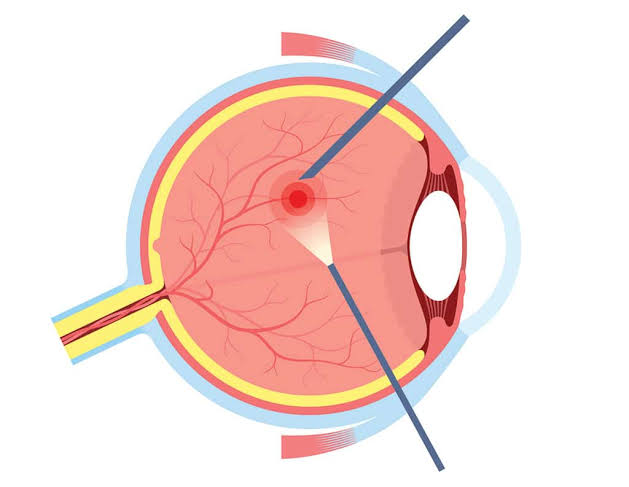
Vitreous Hemorrhage
Bleeding into the vitreous gel can cause sudden floaters, hazy vision, shadows, or vision loss. Treatment depends on the cause and severity.
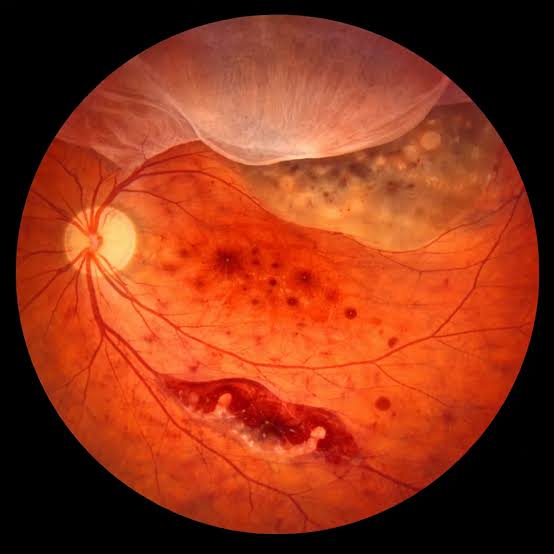
Retinal Detachment
A retinal detachment occurs when the retina separates from its underlying support. Prompt assessment and treatment are important to help prevent permanent vision loss.
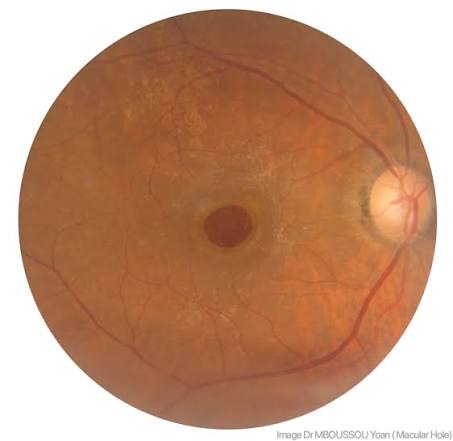
Macular Hole
A macular hole is a defect in the central retina that can affect detailed central vision, reading, and the ability to recognise faces.
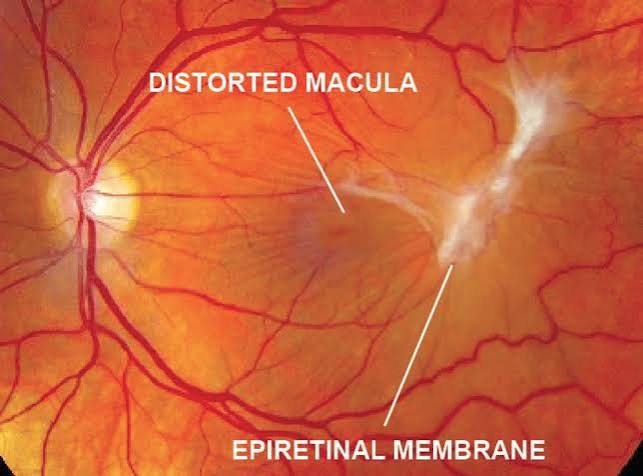
Epiretinal Membrane
An epiretinal membrane is scar-like tissue forming over the retinal surface that may cause blurred or distorted central vision.
Advanced Vitreoretinal Surgery
We offer a range of surgical procedures to treat retinal conditions, using modern techniques and equipment.
Pars Plana Vitrectomy
Removal of the vitreous gel to access and treat retinal conditions.
Membrane Peeling
Removal of epiretinal membranes and internal limiting membrane.
Gas Tamponade
Injection of gas to support the retina during healing.
Silicone Oil Tamponade
Long-term support for complex retinal detachments.
Laser Photocoagulation
Sealing retinal breaks and treating abnormal vessels.
Scleral Buckling
External support for retinal detachment repair.
What to Expect
From initial assessment to post-operative recovery, your care is structured for the best possible outcome.
Initial Assessment
Comprehensive retinal examination with imaging to diagnose the condition.
Surgical Planning
Your surgeon develops a personalised surgical plan based on your condition.
Surgery
The procedure is performed under local or general anaesthesia in a sterile setting.
Recovery & Follow-Up
Post-operative care with positioning, eye drops, and regular monitoring.
When Should You Seek Urgent Advice?
Retinal conditions can worsen rapidly and require immediate attention. Seek urgent care if you experience:
Surgical Retina Questions
Answers to common questions about surgical retina management.
Surgical retina management involves surgical procedures to treat conditions affecting the retina and vitreous. The most common procedure is vitrectomy, where the vitreous gel is removed to access the retina. This allows the surgeon to repair retinal detachments, remove blood, peel membranes, and close macular holes.
A vitrectomy is a surgical procedure to remove the vitreous gel from the eye. It is performed to treat various retinal conditions. The surgeon makes small incisions in the eye, removes the vitreous, and performs the necessary repairs. The vitreous is usually replaced with a saline solution, gas, or silicone oil.
The duration depends on the complexity of the condition. Simple vitrectomy may take 30-60 minutes, while more complex cases like retinal detachment repair or membrane peeling may take 1-2 hours or longer.
Retinal surgery is performed under local or general anaesthesia, so you will not feel pain during the procedure. After surgery, you may experience mild discomfort, which can usually be managed with over-the-counter pain relief.
Recovery varies depending on the procedure. You may need to maintain a specific head position for some time, especially if gas is used. Vision may be blurry initially and improves gradually. You will need to use eye drops and avoid strenuous activities for several weeks.
If gas or silicone oil is used, you may need to maintain a specific head position (face down, side, or upright) for a period of time. This helps the bubble or oil support the retina while it heals. Your surgeon will provide specific instructions.
Most patients can return to light activities within a few days to weeks. Driving, heavy lifting, and strenuous exercise should be avoided for a longer period. Your surgeon will provide individualised guidelines based on your procedure.
The goal of retinal surgery is to preserve and often improve vision. The extent of visual recovery depends on the condition, how long it has been present, and individual factors. Early treatment generally leads to better outcomes.
Expert SurgicalRetina Care
Schedule a comprehensive retinal evaluation and discuss the most suitable surgical options for your condition.
This page is for general educational information and does not replace an examination or personalised medical advice from a qualified ophthalmologist. The appropriate surgical approach should be determined after individual assessment.