EndophthalmitisManagement
Prompt diagnosis and urgent treatment of intraocular infections to prevent permanent vision loss. Endophthalmitis is a vision-threatening emergency requiring immediate specialist care.
Emergency
Urgent care
Intravitreal
Antibiotics
Vitrectomy
If needed
24/7
Monitoring
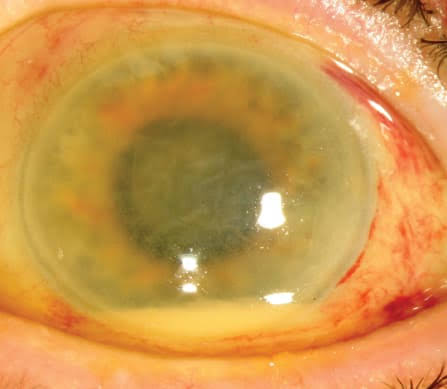
Emergency Eye Care
Immediate treatment for intraocular infections
If you experience severe eye pain, sudden vision loss, or increasing redness after eye surgery or trauma, seek emergency care immediately.
Call EmergencyTypes of Endophthalmitis
Endophthalmitis can occur in different clinical settings. Early recognition and specialist evaluation are important for appropriate treatment.
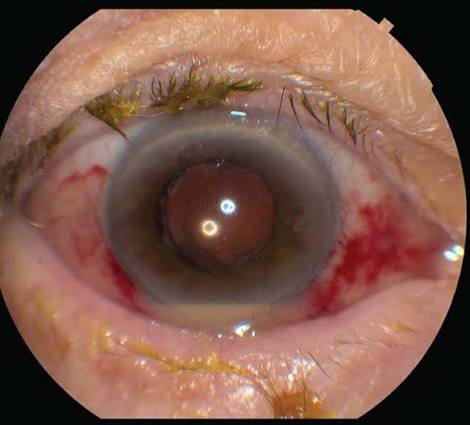
Acute Post-Operative Endophthalmitis
Occurs within days to weeks after eye surgery and is commonly caused by bacteria. Severe pain, redness and reduced vision may develop and require urgent specialist treatment.
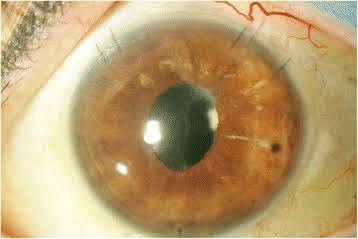
Chronic Post-Operative Endophthalmitis
Develops weeks to months after surgery and may be associated with less aggressive organisms. Persistent inflammation and gradually worsening vision can occur.
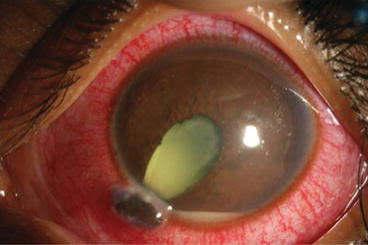
Post-Traumatic Endophthalmitis
Can develop after a penetrating eye injury when microorganisms enter the eye. It requires rapid diagnosis and treatment to reduce the risk of severe vision loss.

Endogenous Endophthalmitis
Occurs when an infection spreads through the bloodstream and reaches the eye. It may occur alongside serious systemic infections and requires urgent medical evaluation.
Why Does Endophthalmitis Occur?
Understanding the causes and risk factors can help with early recognition and prevention of this serious eye condition.
Bacterial Endophthalmitis
Bacteria are the most common cause, particularly after eye surgery. Staphylococcus species are frequently identified.
Fungal Endophthalmitis
Fungal infections are less common but can be difficult to treat. Candida and Aspergillus are among the organisms that may be involved.
Mixed Infections
Multiple organisms can occasionally be involved, particularly in traumatic eye injuries, making diagnosis and treatment more complex.
Risk Factors
Prevention
Diagnosis of Endophthalmitis
Clinical examination and appropriate investigations help ophthalmologists identify the infection and guide urgent treatment.
Clinical Evaluation
Clinical Signs
Diagnostic Tests
Investigations
Slit-Lamp Examination
Evaluates inflammation in the anterior chamber, hypopyon and corneal clarity.
Dilated Fundus Examination
Assesses vitreous inflammation and possible retinal involvement when the view permits.
B-Scan Ultrasound
Useful when dense vitreous inflammation prevents a clear view of the retina.
Aqueous & Vitreous Sampling
Samples may be collected for microbiological testing and help identify the causative organism.
Blood Cultures
May be required when endogenous endophthalmitis is suspected to identify a systemic source.
PCR Testing
Molecular testing can help detect microbial genetic material in selected cases.
Endophthalmitis Management
Treatment is tailored according to the severity, suspected cause, clinical findings and response to therapy.
Intravitreal Antibiotics
Antibiotics are injected directly into the vitreous to achieve high drug concentrations at the site of infection.
Intravitreal Antifungals
Antifungal medicines may be used when fungal infection is suspected or confirmed.
Pars Plana Vitrectomy
Surgical removal of vitreous material may be required in severe cases or when the infection does not respond adequately to initial treatment.
Topical & Oral Medicines
Topical or systemic medicines may be used as adjunctive treatment depending on the clinical situation.
Corticosteroids
Anti-inflammatory treatment may be considered as an adjunct to control inflammation under specialist supervision.
Silicone Oil Tamponade
May be considered in selected severe cases involving retinal complications or retinal detachment.
Key Management Principles
Early treatment and close specialist monitoring are important components of managing this vision-threatening emergency.
When Should You Seek Emergency Care?
Endophthalmitis is a medical emergency. If you experience any of the following after eye surgery or trauma, seek immediate medical attention.
Endophthalmitis Questions
Answers to common questions about endophthalmitis diagnosis and management.
Endophthalmitis is a severe inflammation of the internal structures of the eye, most commonly caused by infection. It is a medical emergency that can lead to permanent vision loss if not treated promptly. It most commonly occurs after eye surgery, particularly cataract surgery, but can also result from trauma or spread from systemic infections.
Symptoms include severe eye pain, redness, decreased vision, swelling of the eyelids, light sensitivity, and discharge. Symptoms typically appear within days after eye surgery or trauma. Any sudden worsening of vision or increase in pain after eye surgery should be evaluated urgently.
Treatment typically involves intravitreal injections of antibiotics and sometimes antifungals directly into the eye. In severe cases, a vitrectomy may be performed to remove infected material. Oral or topical antibiotics may also be used. Prompt treatment is critical to preserve vision.
The most common cause is bacteria entering the eye during or after surgery. Staphylococcus species are among the most frequent organisms. Fungal endophthalmitis can occur, especially in immunocompromised patients or after trauma with organic material. Endogenous endophthalmitis occurs when infection spreads from the bloodstream to the eye.
Yes. Preventive measures include using sterile technique during surgery, appropriate antibiotic prophylaxis, and careful post-operative care. Patients should avoid touching or rubbing the eye and follow all post-operative instructions.
The prognosis depends on the causative organism, how quickly treatment is started, and the severity of the infection. Early diagnosis and prompt treatment can improve outcomes, although some patients may experience permanent vision loss despite treatment.
Exogenous endophthalmitis occurs when organisms enter the eye from outside, such as during surgery or trauma. Endogenous endophthalmitis occurs when infection spreads from the bloodstream to the eye, often in patients with systemic infections or certain medical risk factors.
Seek emergency care immediately if you experience severe eye pain, sudden decrease in vision, increasing redness, or swelling after eye surgery or trauma. Do not wait for a routine appointment because early treatment is important for preserving vision.
Emergency Eye CareAvailable 24/7
If you suspect endophthalmitis, do not wait. Contact our emergency eye care team immediately for prompt evaluation and treatment.
This page is for general educational information and does not replace an examination or personalised medical advice from a qualified ophthalmologist. Endophthalmitis is a medical emergency requiring immediate professional evaluation and treatment.