Retinal LaserProcedures
Precision laser treatments for retinal conditions, including panretinal photocoagulation, barrage laser, focal laser, and YAG laser procedures.
PRP
Panretinal
Barrage
Protective
Focal
Targeted
YAG
Capsulotomy
Precision Laser Therapy
Targeted treatment for retinal conditions
Types of Retinal Laser Treatment
Different laser techniques are used depending on the condition being treated and the specific needs of each patient.
Panretinal Photocoagulation
Extensive Peripheral Retinal Laser
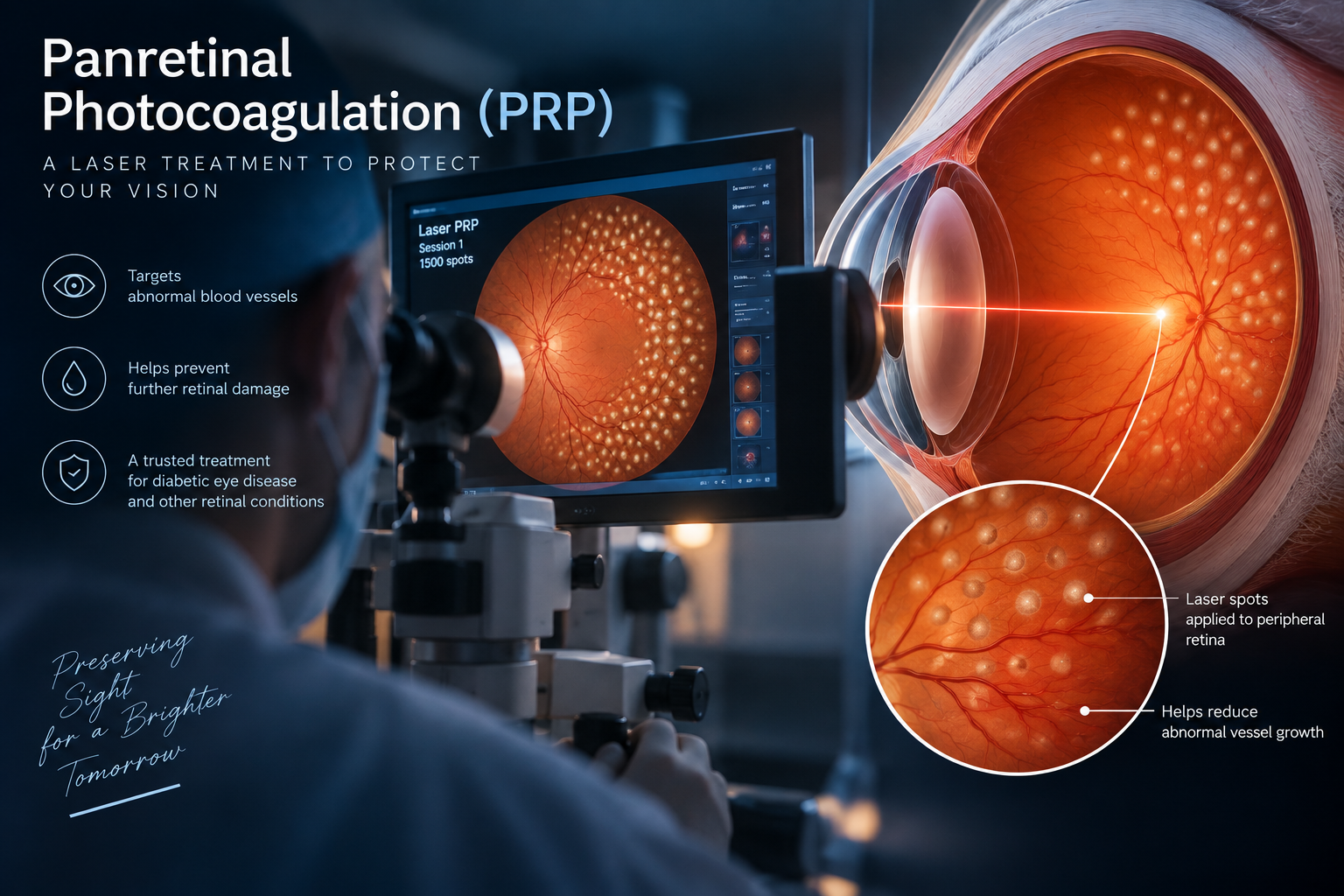
Panretinal photocoagulation (PRP) is a laser treatment that targets the peripheral retina. It is commonly used for conditions associated with abnormal blood vessel growth, particularly proliferative diabetic retinopathy.
A laser technique designed to treat a larger area of the peripheral retina.
Barrage Laser
Protective Retinal Laser Barrier
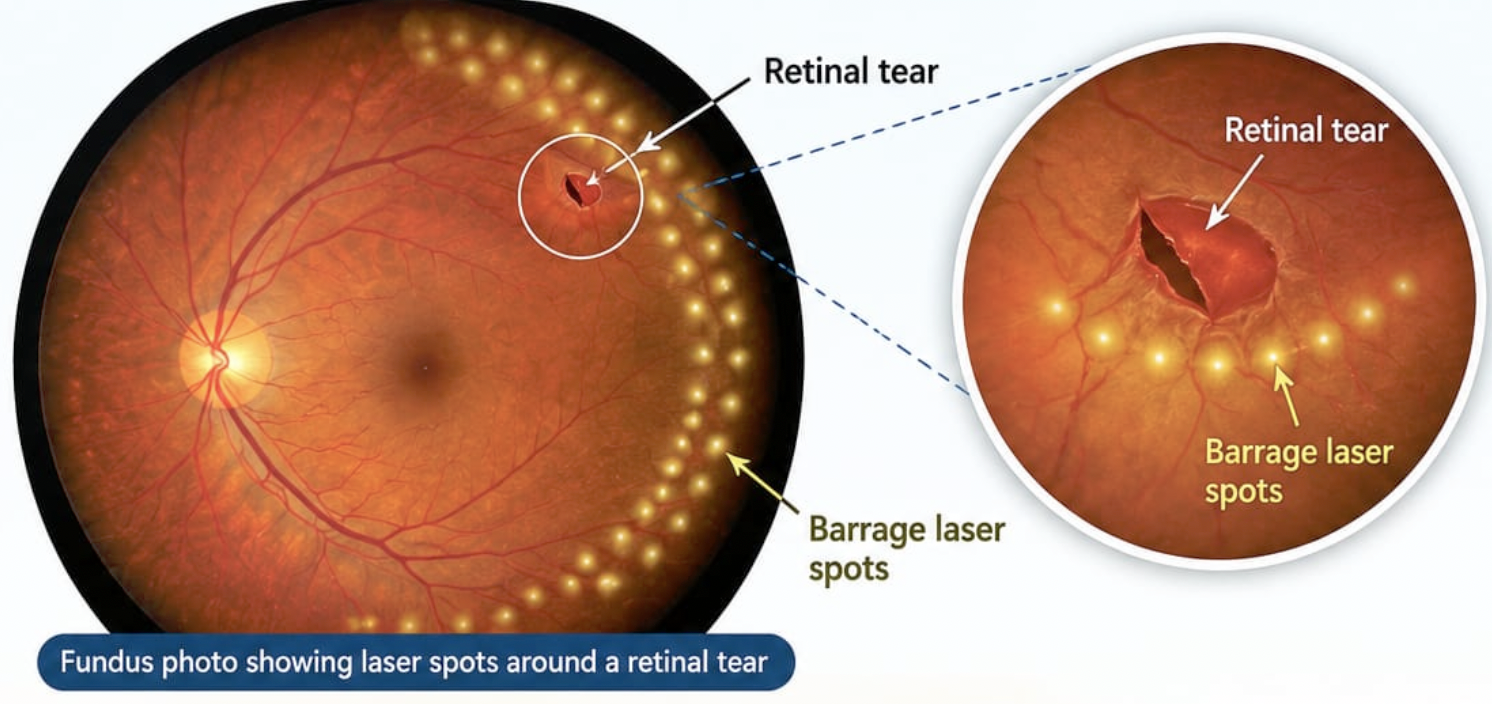
Barrage laser places multiple laser spots around a retinal tear, break, hole, or selected area of retinal weakness. The treatment creates a protective barrier around the affected area.
Used around selected retinal breaks and weak areas.
Focal Laser
Targeted Retinal Treatment
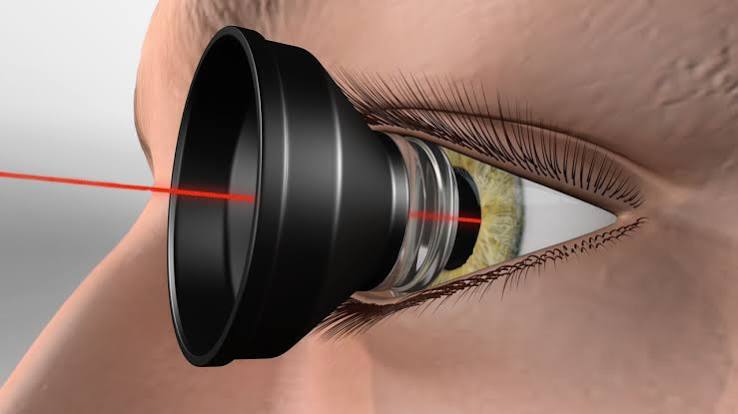
Focal laser is a precise treatment that targets selected areas of the retina, including specific leaking vessels or focal areas of retinal swelling. It may be used in selected retinal vascular conditions.
Provides focused treatment to selected retinal areas.
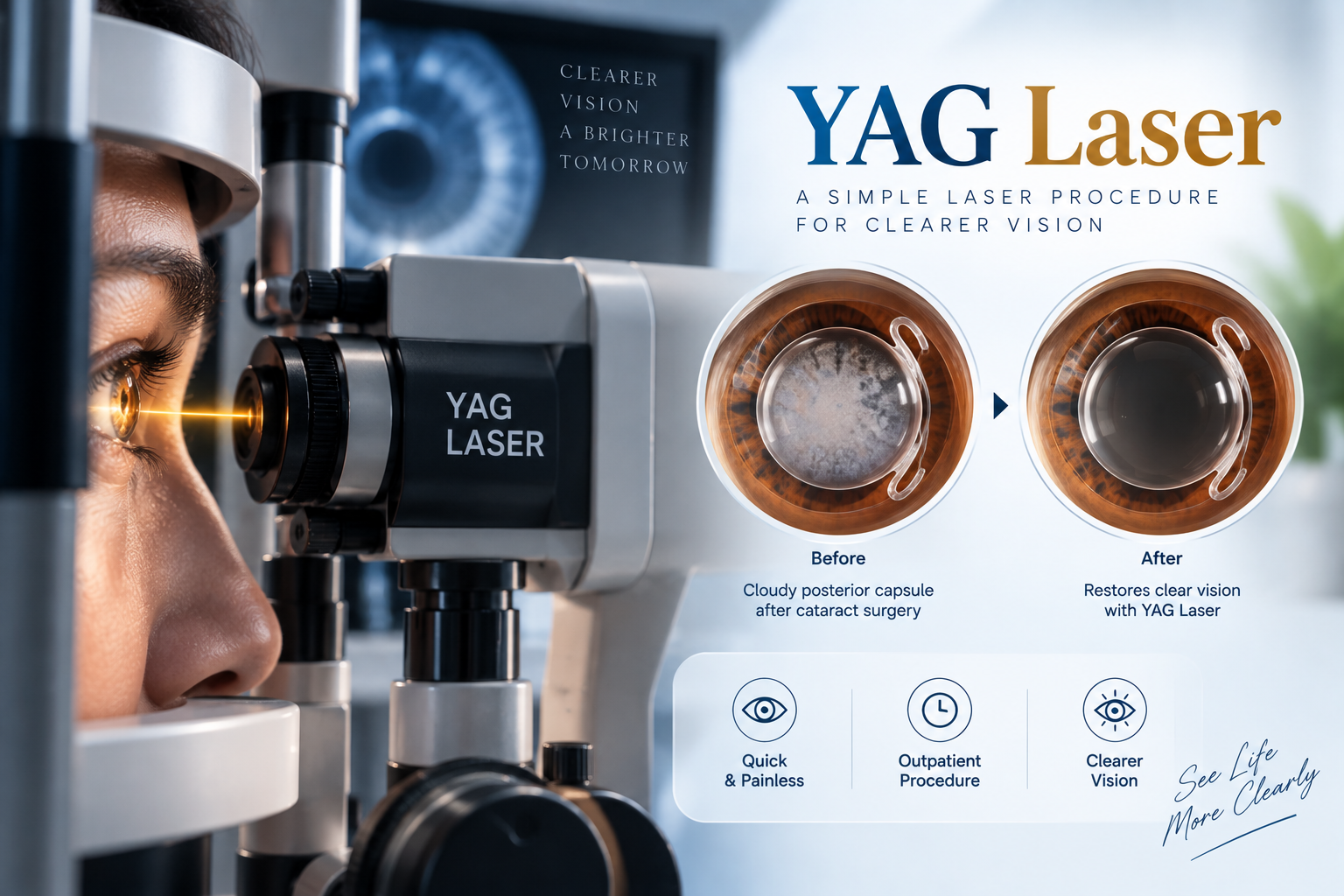
YAG Laser
Precise Ophthalmic Laser Treatment
YAG laser is a versatile ophthalmic laser commonly used for posterior capsule opacification after cataract surgery. It can also be used for selected glaucoma procedures such as peripheral iridotomy.
A precise laser technique used for selected eye conditions.
What Laser Procedures Address
Retinal laser treatments are used to manage a variety of vision-threatening conditions.
Diabetic Retinopathy
PRP and focal laser may be used for selected cases of diabetic retinopathy and retinal swelling.
Retinal Vein Occlusion
Laser may be used in selected cases of macular oedema and neovascularisation associated with retinal vein occlusion.
Retinal Tears & Breaks
Barrage laser can be used around selected retinal breaks to help reduce the risk of retinal detachment.
Posterior Capsule Opacification
YAG laser capsulotomy can create an opening in a cloudy posterior capsule after cataract surgery.
Glaucoma
YAG peripheral iridotomy may be used for selected angle-closure glaucoma cases.
Other Retinal Conditions
Selected cases of central serous chorioretinopathy, retinal holes and other retinal conditions may require laser treatment.
What to Expect
From initial assessment to post-laser follow-up, your care is structured around your individual eye condition.
Initial Assessment
Comprehensive retinal examination with imaging to determine the need for laser treatment.
Treatment Planning
Your retina specialist determines the type, extent, and schedule of laser treatment.
Laser Procedure
The laser is applied in a controlled setting with appropriate anaesthesia for comfort.
Follow-Up Care
Regular monitoring helps assess response and determine whether additional treatment is required.
When Should You Seek Urgent Advice?
Contact your eye-care team promptly if you experience any of the following after laser treatment:
Retinal Laser Questions
Answers to common questions about retinal laser procedures.
Retinal laser treatment uses focused light energy to create controlled burns on the retina. This can seal leaking blood vessels, destroy abnormal vessels, prevent new vessel growth, or create therapeutic adhesions. It is a common treatment for various retinal conditions.
Most patients experience minimal discomfort during retinal laser treatment. Anaesthetic drops are used to numb the eye. Some patients may feel a mild stinging or pinching sensation. For more extensive treatments like PRP, a local anaesthetic injection may sometimes be used for comfort.
The duration depends on the type of laser and the extent of treatment. Focal laser may take only a few minutes, while PRP may take 15-30 minutes. YAG laser capsulotomy is typically a quick procedure.
This varies by condition and individual response. Some conditions require a single session, while others such as PRP may be divided into multiple sessions. Your retina specialist will discuss the planned treatment schedule with you.
Risks may include temporary or permanent vision changes, increased eye pressure, inflammation, bleeding, and rarely retinal complications. Your retina specialist will discuss the risks relevant to your individual condition.
PRP treats a larger area of the peripheral retina and is commonly used for abnormal blood vessel growth. Focal laser targets specific leaking vessels or areas of retinal swelling. They are used for different conditions and treatment goals.
YAG laser is commonly used for posterior capsule opacification after cataract surgery. It creates an opening in the cloudy capsule to help restore clear vision. It can also be used for selected glaucoma procedures.
Laser treatment is often aimed at preventing further vision loss. In selected cases, vision may improve by reducing swelling or treating the underlying problem. Visual recovery depends on the condition and how much retinal damage has already occurred.
Protect YourRetinal Health
Schedule a comprehensive retinal evaluation and discuss whether laser treatment is appropriate for your condition.
This page is for general educational information and does not replace an examination or personalised medical advice from a qualified ophthalmologist. The appropriate laser procedure should be determined after individual assessment.