Retina Diagnosis & Management

Diagnosis &Management

Comprehensive evaluation and treatment for diabetic retinopathy, retinal vascular occlusion, and dry and wet age-related macular degeneration.

Explore Conditions

3

Key conditions

OCT

Advanced imaging

Anti-VEGF

Targeted therapy

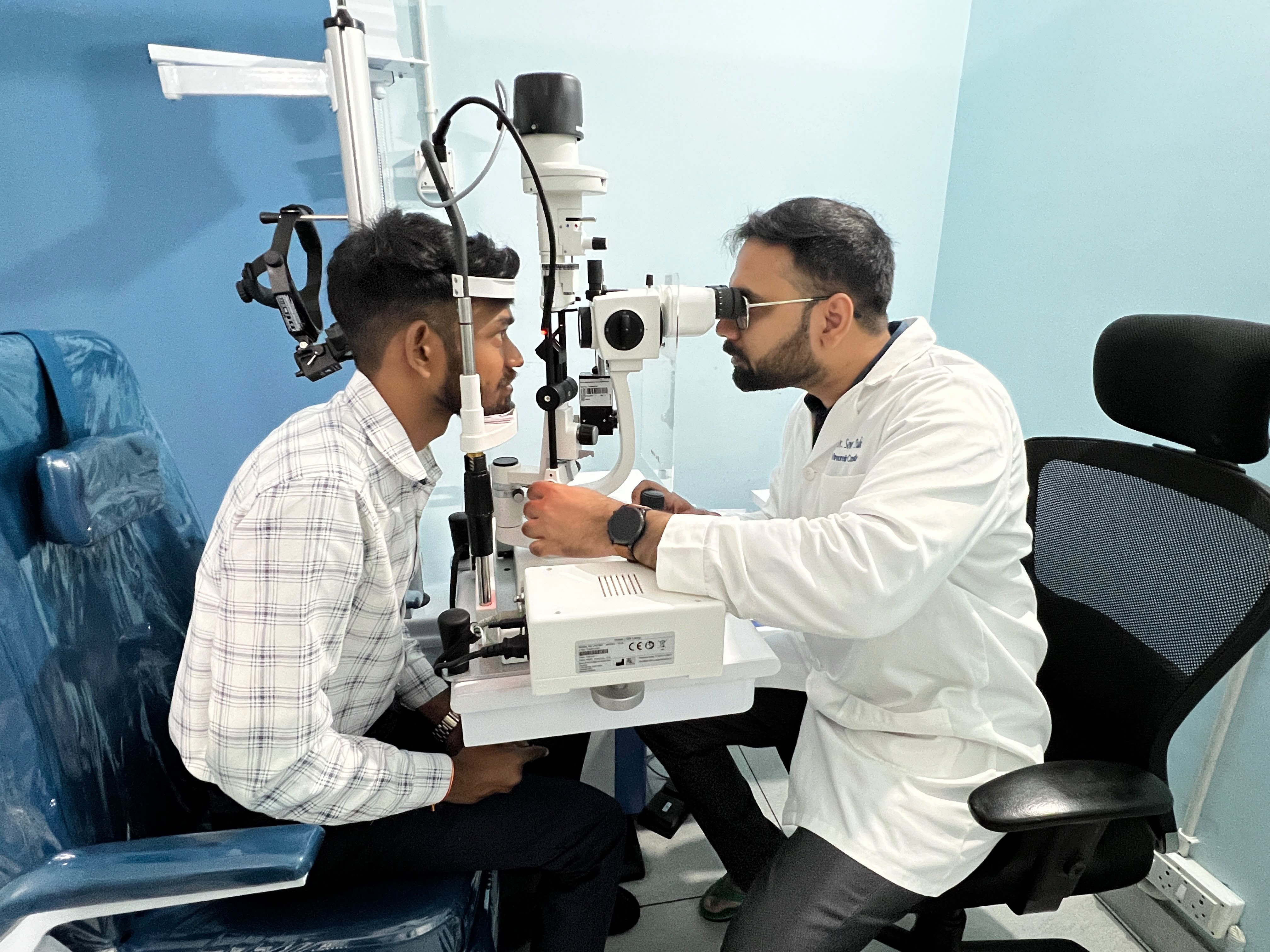
Ophthalmology retina examination

Retina Specialist Care

Advanced diagnosis & personalised management

Conditions We Manage

Comprehensive Retinal Care

Our approach combines advanced diagnostic imaging with evidence-based management strategies for a range of retinal conditions.

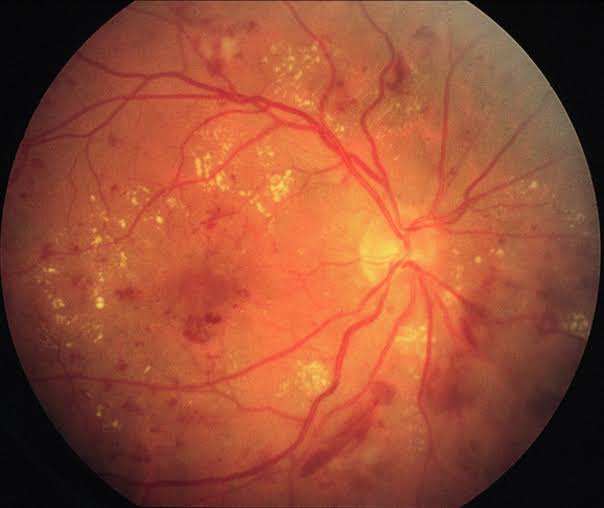
Diabetic Retinopathy
Retina Care

Diabetic Retinopathy

Diabetes-related retinal damage

Diabetic retinopathy is a complication of diabetes that affects the blood vessels of the retina. Early stages may have few or no symptoms, making regular retinal screening important.

Comprehensive evaluation and personalised management.

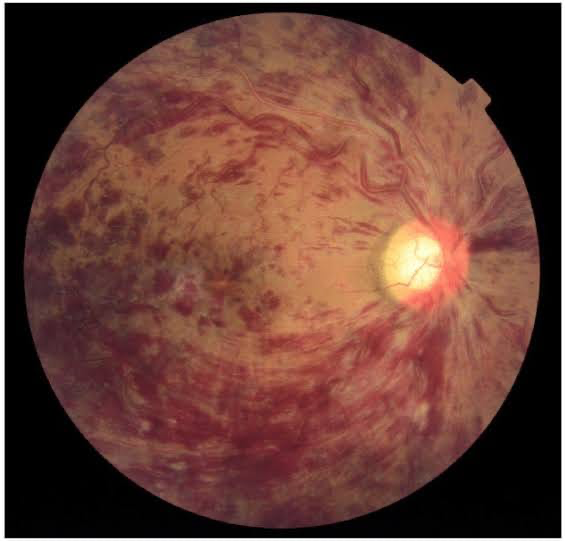
Retinal Vascular Occlusion
Retina Care

Retinal Vascular Occlusion

Blocked retinal blood vessels

Retinal vascular occlusion occurs when blood flow through retinal blood vessels becomes blocked. It can affect retinal veins or arteries and may cause sudden or significant changes in vision.

Comprehensive evaluation and personalised management.

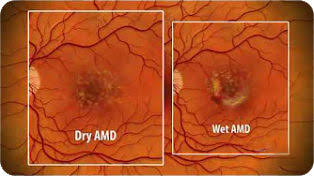
Dry & Wet ARMD
Retina Care

Dry & Wet ARMD

Age-related macular degeneration

Age-related macular degeneration affects the macula, the central part of the retina responsible for detailed vision. It can occur in dry or wet forms and requires appropriate monitoring and treatment.

Comprehensive evaluation and personalised management.

Diagnostic Approach

Advanced Retinal Imaging

Accurate diagnosis is the foundation of effective management. We use a range of advanced imaging techniques to assess the retina.

Dilated Fundus Examination

Detailed examination of the retina, optic disc, and blood vessels using special lenses.

Optical Coherence Tomography (OCT)

Cross-sectional imaging of the retina to detect fluid, swelling, and structural changes.

Fluorescein Angiography (FFA)

Dye-based imaging to evaluate blood flow and identify leakage or blocked vessels.

OCT Angiography (OCTA)

Non-invasive imaging of retinal blood vessels without the need for dye injection.

Visual Field Testing

Assessment of peripheral vision to detect and monitor visual field defects.

Amsler Grid Testing

Simple home-based test to monitor central vision changes in ARMD.

Management Approaches

Personalised Treatment Plans

Treatment is tailored to the specific condition, its severity, and the individual patient's needs and goals.

Intravitreal Injections

Anti-VEGF or steroid medications injected into the eye to reduce swelling and abnormal vessel growth.

Laser Photocoagulation

Focused laser therapy to seal leaking vessels, treat abnormal vessels, or address selected retinal problems.

Vitrectomy Surgery

Surgical removal of vitreous gel to treat bleeding, scar tissue, or retinal detachment.

Systemic Management

Coordination with physicians to control blood sugar, blood pressure, and cholesterol.

Photodynamic Therapy

A specialised treatment combining a light-sensitive medication with laser activation for selected retinal conditions.

Low Vision Rehabilitation

Support and resources to help patients maximise remaining vision and maintain independence.
Urgent Attention

When Should You Seek Urgent Advice?

Some retinal conditions require immediate medical attention. Seek urgent care if you experience any of the following.

Sudden painless loss of vision
Sudden increase in floaters
Flashes of light in peripheral vision
A curtain or shadow across your vision
Sudden distortion of central vision
New or worsening blurred vision
FAQs

Retinal Health Questions

Answers to common questions about diagnosis and management of retinal conditions.

If you have diabetes, you should have a comprehensive dilated eye examination at least once a year. Your ophthalmologist may recommend more frequent screening if you have existing retinopathy or other risk factors.

Dry ARMD is characterised by drusen deposits and gradual changes in the macula. Wet ARMD involves abnormal blood vessel growth that can leak fluid or blood and may cause more rapid vision changes. Wet ARMD requires prompt assessment and treatment.

Treatment depends on the type and severity. Central retinal artery occlusion is a medical emergency. For vein occlusions, treatment may include anti-VEGF injections, steroid injections, laser treatment, and management of underlying systemic conditions.

Anti-VEGF injections are medications delivered into the eye to reduce abnormal blood vessel growth and leakage. They are commonly used for wet ARMD, diabetic macular oedema, and retinal vein occlusion.

Managing blood sugar, blood pressure, and cholesterol, avoiding smoking, maintaining a healthy weight, and following a balanced diet can support overall retinal and vascular health.

Optical Coherence Tomography (OCT) is a non-invasive imaging test that provides detailed cross-sectional images of the retina. It helps detect and monitor fluid, swelling, and structural retinal changes.

Seek urgent care if you experience sudden vision loss, a sudden increase in floaters, flashes of light, a curtain or shadow across your vision, or sudden distortion of central vision.

Yes. Some retinal conditions can cause permanent vision loss if untreated. Early detection, regular monitoring, and appropriate management can help reduce the risk of severe vision loss.

Protect YourRetinal Health

Schedule a comprehensive retinal evaluation and discuss the most suitable diagnostic and management options for your eyes.

Call Us

This page is for general educational information and does not replace an examination or personalised medical advice from a qualified ophthalmologist. The appropriate diagnostic approach and management plan should be determined after individual assessment.